Podcast: Play in new window | Download
Subscribe: Apple Podcasts | RSS
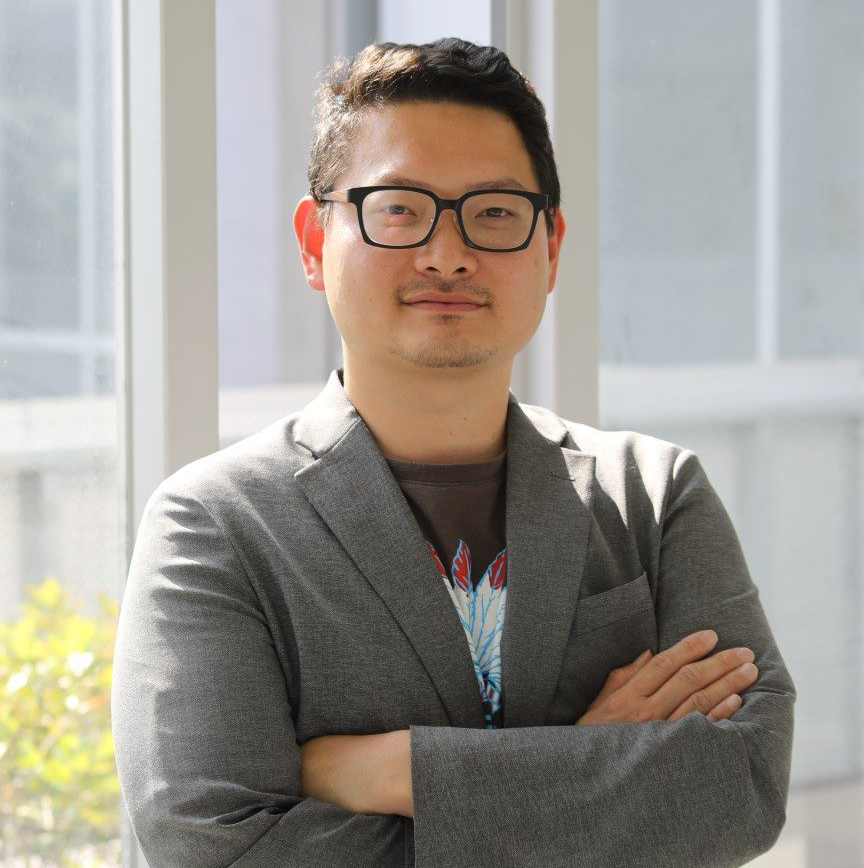 Dr. Chin-Cheng “Scotty” Yang is an Assistant Professor in the Department of Entomology at Virginia Tech. He received his BS, MS, and PhD degrees in entomology from National Taiwan University. Scotty served as a Visiting Scientist at the Center for Medical, Agricultural and Veterinary Entomology (CMAVE) within the US Department of Agriculture’s Agricultural Research Service. He then conducted postdoctoral research in the Biodiversity Research Center at Academia Sinica in Taiwan. Scotty served as a faculty member at National Taiwan University, Kyoto University in Japan, and National Chung Hsing University in Taiwan before joining the faculty at Virginia Tech where he is today. In our interview, Scotty shares more about his life and science.
People Behind the Science Podcast Show Notes
Life Outside of Science (2:21)
When he’s not working, Scotty spends most of his free time with his two kids, and he especially enjoys playing and coaching basketball. He’s a passionate fan who even adopted the name of his basketball hero, Scottie Pippen.
The Scientific Side (4:12)
Scotty’s research focuses on ants. He’s interested in understanding their fascinating biology and how they respond to pathogens, as well as finding better ways to control ant infestations and invasive ant populations.
A Dose of Motivation (5:52)
One of Scotty’s favorite motivational quotes is “Just do it.” He’s also motivated by observing the organisms he studies, and watching their behavior can inspire new research questions.
What Got You Hooked on Science? (8:59, 11:07)
Scotty can trace his interest in the natural world back to his father, who encouraged his curiosity about living things and often brought the family to national parks, beaches, mountains, and other cool places in nature for vacations. Growing up with aquariums at home, Scotty began running his own small experiments, which sparked his fascination with biology. Later, Scotty discovered a university flyer describing entomology as a field that would let him explore the mountains at night, and that sealed the deal. Influential mentors encouraged Scotty to pursue research that could meaningfully improve people’s lives, and this drove his commitment to studying invasive fire ants to protect communities and the environment.
The Low Points: Failures and Challenges (26:04)
A major challenge for Scotty was adjusting to the different expectations for scientific writing and grant proposals after moving from Asia to the United States for his faculty position. He was excited about his early proposals, and it was discouraging when they were rejected. However, Scotty didn’t give up. He sought feedback, asked colleagues to share sample proposals, had others review his drafts, and treated each setback as part of the learning process. Scotty’s persistence paid off when he recently secured his first federally funded grant.
Scotty also struggled early in graduate school when he was assigned a project focused on the genetics of fire ants after doing poorly in his genetics coursework as an undergraduate. He asked others for help, but he soon realized that to get meaningful support, he needed to put in effort himself first. This meant reading, studying, and building up his foundational knowledge of genetics. This reinforced Scotty’s belief that seeking help is important, but you also have to be persistent and willing to work hard to reach your goals.
A Shining Success! (31:58)
Securing his first federal research grant was a huge success for Scotty, but it didn’t come easily. His initial proposal was rejected, but by carefully revisiting the (sometimes harsh) reviewer comments, Scotty realized he could turn those critiques into strengths. He used feedback from the reviewers to reshape and improve his research proposal for the resubmission. Ultimately, the hard work paid off. The experience taught him that setbacks can fuel growth, and that persistence and openness to feedback can lead to meaningful breakthroughs.
Book Recommendations (34:09)
The Guests of Ants: How Myrmecophiles Interact with Their Hosts by Bert Hölldobler and Christina L. Kwapich
Most Treasured Travel (35:47)
Scotty will never forget a trip he took to Cairns, Australia. He was invited there to study the invasive yellow crazy ant, a species that causes billions of dollars in environmental and economic damage. Upon arriving at their destination in the field, Scotty was shocked to see that the hiking trail was completely carpeted with ants. The ants were so dense that he and his colleagues were told to keep walking to avoid being covered.
Quirky Traditions and Funny Memories (38:47)
During his time in Japan, people were often surprised when they met Scotty, and they told him he didn’t fit the stereotypical serious portrait of a scientist in a lab coat. Those experiences helped him realize the importance of using humor to make science engaging and accessible, especially when communicating with people who don’t have a scientific background. He now intentionally brings humor into his teaching and seminars to keep audiences connected and interested.
In terms of traditions in his lab, Scotty and his team hold regular pipette-tip refilling competitions to see who can reload a box the fastest. Of course, the winners of these friendly competitions win prizes. When working out in the field, Scotty and his team try to make the routine and sometimes difficult work fun by having contests as well.
Advice For Us All (42:46)
Be persistent and don’t give up. Even when there are setbacks and you are discouraged, keep trying. Sometimes the best path to a solution is to be hands-on and start doing something. Don’t forget to take breaks when you need them, and this can help renew your focus. Stay curious, and remember that even well-studied research areas can be treasure troves for new discoveries. It can also be helpful to keep your study system in sight. For Scotty having ants as desk pets does wonders for lifting his team’s spirits during difficult periods.
Guest Bio
The Yang Lab is focused on studying insect-microbe and pathogen interactions using ants (and other pests) and their associated microbes/pathogens as model systems. They use a variety of approaches including methods from behavioral science, genetics, genomics, and disease transmission ecology. Their work is interdisciplinary with relevant ties to population genetics, invasion ecology, and urban pest management. Current projects in the lab are investigating two different areas. One area examines the ecology and co-evolutionary history of insect-microbe (pathogen) interactions, as well as how social insects respond behaviorally and physiologically to pathogens. The second area is focused on controlling insect pests through studies of potential microbial biocontrol agents and development of new insect microbial pest control strategies. Outside of the lab, Scotty is a huge basketball fan, and you can often find him watching games or shooting hoops with his kids.
Leave a Reply